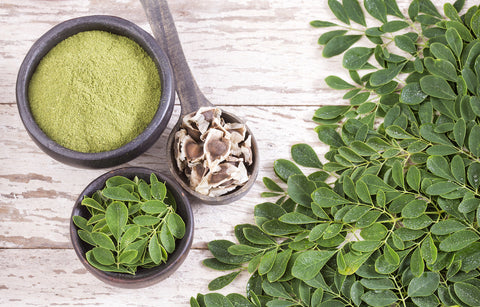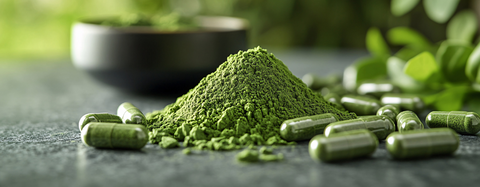
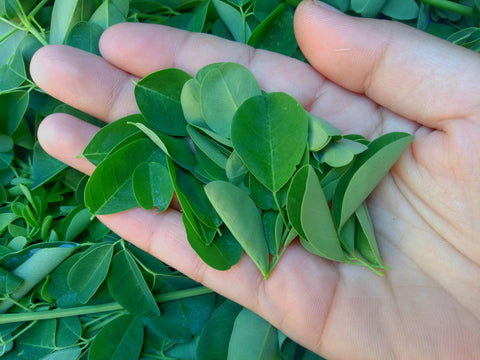

Does moringa’s bitter taste surprise you sometimes? Hint: bitter is better! There are also lots of recipes that minimize the “veggie” flavor, including fruity smoothies with banana, mangoes or pineapple. So what gives moringa its strong taste, and what does it mean?
The health-enhancing benefits of Moringa oleifera have earned this energizing plant lots of praise. Moringa leaves also contain all 9 essential amino acids, high vitamin and mineral levels as well as exceptional antioxidant activity. [3]
Moringa: Bitter is Better!
The slightly bitter taste of moringa is the work of the glucosinolates, better known as mustard oils. [2] These same compounds are what make cruciferous vegetables – broccoli, bok choy, cabbage, cauliflower, brussels sprouts, etc. – slightly bitter. To learn more about the role of the compounds that occur naturally in moringa, check out our article on The Science Behind Nourishing Immunity.
Bitter is a necessity in the pursuit of a life free of chronic health conditions. Mustard oils deliver that famous mildly spicy taste that makes moringa blend so well with a variety of scrumptious sweet AND savory recipes. Given the added bonuses of healing power, nutritional enhancement and ease-of-use, moringa allows individuals from all cultures and backgrounds to discover the perfect ways to enhance their meals and their health with this delightful ingredient.

Moringa and Healthful Cooking
If you’re pregnant or breastfeeding, ask your healthcare professional about moringa and other herbal products before adding them to your routine.
Compare the lighter leaf tea with the warming tulsi spice blend. Choose the one whose flavour suits the way you like to drink tea.
With moringa readily available in areas affected by drought and poverty, it presents a sustainable solution to providing nourishment for communities and preventing blindness caused by vitamin A deficiency. [4]
Sweet or Savory: Moringa Recipe Ideas
Moringa can be used in any number of recipes and blends especially well in smoothies, curries, pesto, guacamole and other creamy dishes like pasta sauces and soups. To minimize nutrient loss, it’s a good idea to add moringa at the end of cooking time whether using fresh moringa leaves or powder. [4]
Another way to enjoy moringa is in this colorful and tasty grilled cheese sandwich with moringa, blueberries, basil and brie, yum! We also have ideas for easy “Back to School” lunches for kids, all of which incorporate this “sneaky green” into the recipes.
Need more ideas on how to make moringa part of your children’s meals? Earlier this year, we dug into 10 Ways to Moringafy Recipes for Children. The result is a fun collection of easy twists on recipes, by adding anywhere from 1 tsp – 1 tbsp of moringa.
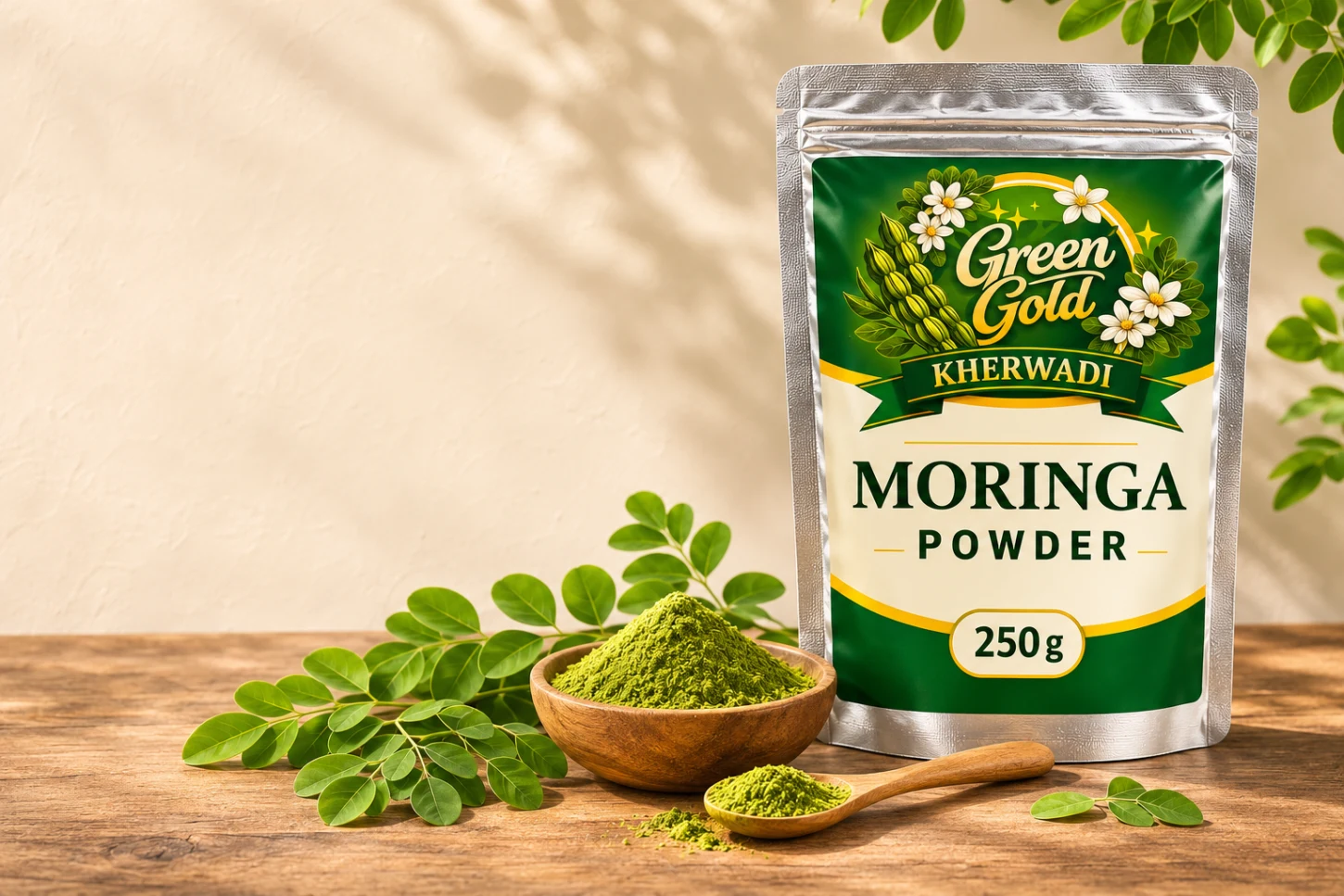
These recipes provide a great start to maximizing moringa’s health benefits by making this powerful superfood a mainstay in family meals. Visit our blog for more moringa recipe inspiration.
We’d love to hear from you. What are your favorite ways to consume moringa?

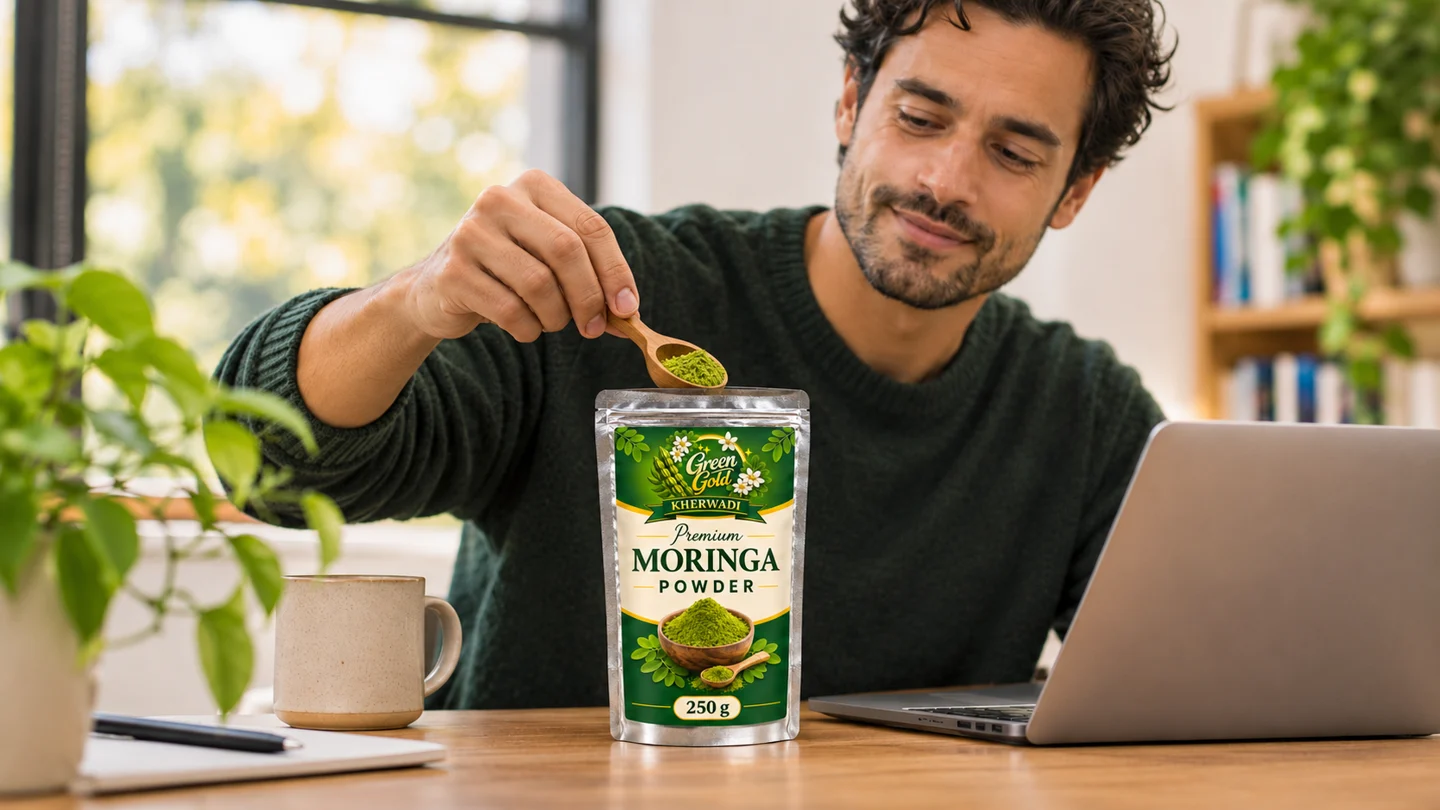
Mix the powder into a little liquid first to make a smooth paste. Add the rest of your ingredients, then adjust to taste.
References:
- Debruyne, L. & Pinna, K. (2017). Nutrition for health and health care (6th ed.). Boston, MA: Cengage Learning.
- Fahey, J. W., Olson, M. E., Stephenson, K. K., Wade, K. L., Chodur, G. M., Odee, D., . . . Hubbard, W. C. (2018). The diversity of chemoprotective glucosinolates in moringaceae (moringa spp.).Scientific Reports (Nature Publisher Group), 8, 1-14. doi:http://dx.doi.org/10.1038/s41598-018-26058-4
- Mix the powder into a little liquid first to make a smooth paste. Add the rest of your ingredients, then adjust to taste.
- Subadra, S., Jain, M., & Dhabhai, D. (1997). Retention and storage stability of beta-carotene in dehydrated drumstick leaves (moringa oleifera).International Journal of Food Sciences and Nutrition, 48(6), 373-379. Retrieved from https://search.proquest.com/docview/216499827?accountid=107221